


Power Master 48: Laws of Power
4.6146.00 Reviews
App Specs
- Version
- 1.9.5
- Updated On
- License
- Free
- Downloads
- 50,000+
- Developer
- The Box App Software SRL
- Categories
- Education
- Platform
- Android
Screenshots
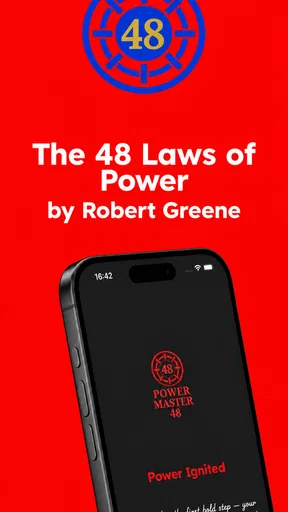
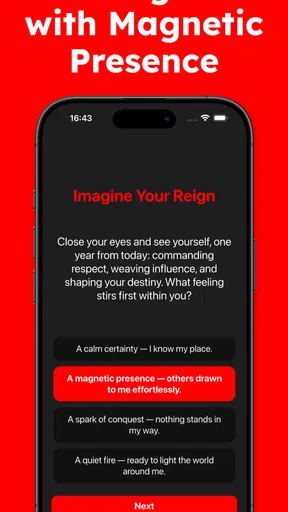
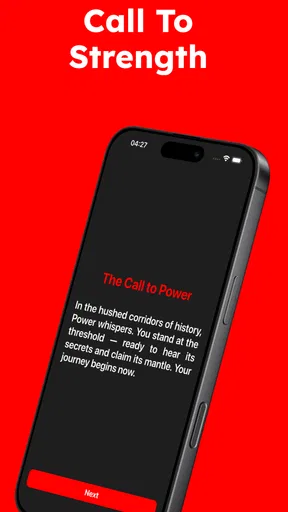
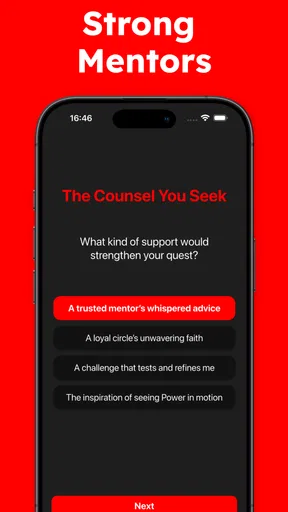
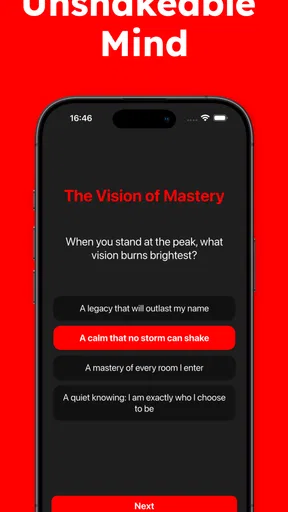
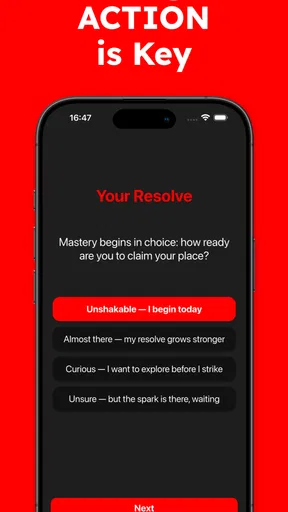
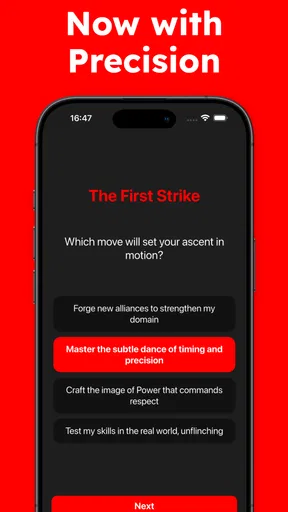
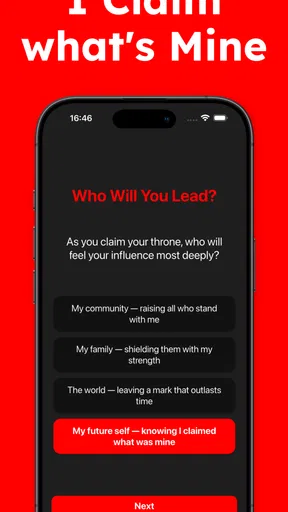
 Analysis by AppCompare
I approached Power Master 48: Laws of Power as a short daily learning tool rather than another app competing for my attention. Its central promise is simple: replace a few minutes of aimless scrolling with a compact lesson about power, influence, and human behavior. That makes it an unusual fit in the education category, because the subject is less about memorizing school material and more about examining how people act in social and professional situations.
The app is free to start, carries an Everyone age rating, and comes from The Box App Software SRL. It has reached over 50 thousand installs and holds a 4.6 average from around 2.4 thousand ratings, which suggests that its brief, habit-focused format has found an audience. I would not treat those figures as proof that every lesson will suit every reader, but they do make the app worth examining if you want a structured alternative to casual scrolling.
From an idle moment to a focused learning session
The most realistic starting point is a familiar one: I have a spare moment, open my phone automatically, and begin moving between short pieces of content without retaining much. This app tries to interrupt that pattern by giving the moment a defined purpose. Instead of asking me to commit to a long course, it frames the experience around a small daily session, making it easier to begin when my concentration is limited.
That short format is the first important trade-off. A brief lesson is approachable, but it cannot offer the depth of a book, a university class, or a carefully moderated discussion. The app works best when I use it as a prompt for reflection, not as a complete education in psychology, leadership, ethics, or communication. If I expect a full explanation of every idea, the compact presentation may feel too thin.
The subject also needs a thoughtful starting attitude. Lessons about power can be useful when they help me recognize manipulation, understand workplace dynamics, or communicate with more confidence. They can be less helpful if I read them as a rigid rulebook for controlling other people. I found the healthiest way to approach the app was to ask, “Where might this pattern appear, and how should I respond?” rather than, “How can I use this to win every interaction?”
That distinction matters for younger users as well as adults. The Everyone rating makes the app broadly accessible, but the themes can still invite mature conversations about motives, status, persuasion, and boundaries. I would be comfortable recommending it as a discussion starter, while encouraging parents, teachers, or mentors to add context instead of presenting each lesson as an unquestionable truth.
What the daily routine feels like
A practical routine is to open the app at a transition point that already exists: after breakfast, before a commute, or just before putting the phone down at night. I would avoid opening it during a rushed task, because the value is not merely finishing a lesson. The useful part comes from connecting the idea to something I have actually seen or experienced.
Worth Reading Before You Choose

EA SPORTS FC Mobile 26 Is a Bigger Football Game, but It Takes Time

Flipboard Shows What News Apps Must Do Beyond the Feed

Switching to Android Auto Means Rethinking Your Driving Routine

Google Calendar Makes a Crowded Week Easier to Manage

Ludo King Makes the Most of the Minutes Between Plans

Baby Panda World Brings Quick Play to Modern Phones, but Its Game Library Feels Busy
For example, imagine I am preparing for a meeting in which one colleague dominates the conversation while another person’s contribution is repeatedly overlooked. A short session can give me a lens for noticing who controls the agenda, who receives credit, and how silence changes the outcome. The app does not replace preparation for that meeting, but it can help me enter it with sharper awareness.
My preferred workflow is deliberately small. I read the day’s material, pause before opening another app, and write down one situation where the idea might apply. If the lesson feels provocative, I also note an alternative interpretation. That second step is important because social behavior is rarely explained by one principle alone. A colleague may be assertive because they are prepared, anxious, responsible for the decision, or simply unaware that they are interrupting others.
The strongest benefit is not instant expertise; it is turning a brief lesson into a question I can test against real life. That makes the app more valuable for reflective users than for people looking for a quick formula or a guaranteed social advantage.
Moving from the lesson to an action
Once I have read a lesson, the next handoff is from the screen to a real situation. This is where many short educational apps lose their impact: the content is easy to consume but difficult to use. With this app, I get better results when I translate an abstract idea into one observable behavior.
Suppose the topic makes me think about visibility at work. An actionable response might be to summarize my contribution clearly at the end of a meeting, ask who owns the next step, or give credit to someone whose work has been overlooked. Those actions are more constructive than trying to imitate a dramatic image of power. They also let me judge whether the lesson is genuinely useful instead of merely memorable.
Another useful handoff is into personal boundaries. If a lesson makes me notice pressure, flattery, or selective information in a conversation, I can slow down before agreeing to something. I might ask for the details in writing, request time to decide, or check the situation with someone I trust. In that role, the app becomes a defensive learning aid: it helps me identify patterns without requiring me to manipulate anyone in return.
I would not use it as a substitute for professional advice in serious situations involving abuse, discrimination, legal disputes, or mental health. A concise lesson can help me name a concern, but it cannot assess a complicated relationship or tell me what action is safe. That is one of the clearest boundaries around the app’s usefulness.
How it compares with books, courses, and ordinary scrolling
Compared with reading a full book about influence or leadership, this app is easier to fit into a crowded day. The entry cost is lower, and the short-session design reduces the chance that I will abandon it after one long chapter. The compromise is context. A book can explain historical background, competing interpretations, and exceptions in a way that a compact daily format usually cannot.
Compared with a formal online course, the app is more casual and less demanding. That is an advantage when I want a regular mental exercise rather than a certificate or a structured curriculum. It is a disadvantage if I need assignments, feedback, assessment, or a clear progression toward a defined skill. I would choose a course for workplace communication training and this app for lightweight reflection between more serious learning activities.
Compared with ordinary social media scrolling, the app gives the moment a clearer endpoint. I am not being pulled through an endless stream of unrelated content. That difference alone can make the habit feel more intentional. Still, the app should not be judged only by whether it is better than scrolling. The real question is whether its lessons lead me to better decisions, calmer boundaries, or more observant communication after I close it.
The free price makes experimentation straightforward, although in-app purchases range from $4.99 to $149.99 per item. That is a wide spread, so I would pay close attention to what an optional purchase includes before committing. I would begin with the free experience and decide only after seeing whether the routine actually fits my day. Someone who dislikes subscription-style or purchase-heavy learning products may find that commercial structure uncomfortable even if the basic concept is appealing.
Where the handoffs become difficult
The first possible break is consistency. A five-minute target sounds manageable, but even a short routine can disappear when it is attached only to motivation. I would connect it to an existing habit rather than relying on a reminder from the app. The practical test is not whether I enjoy one session; it is whether I still open it after the novelty fades.
The second break is oversimplification. Statements about power and behavior can sound convincing because they are broad and memorable. Real interactions contain culture, personality, hierarchy, history, and unequal risk. Applying a lesson too literally could make me suspicious of ordinary cooperation or encourage me to treat friends and colleagues as pieces on a board. I get more from the app when I challenge its ideas and look for evidence instead of collecting slogans.
The third break is the gap between recognition and skill. Noticing that someone is withholding information does not automatically tell me how to address it. Speaking with confidence, negotiating fairly, and handling conflict require practice. I would pair the app with role-play, feedback from a trusted person, or a more detailed communication resource if those are my actual goals.
There is also a practical compatibility point: the current version is 1.9.4 and requires Android 7.0 or later. That is friendly to many older Android devices, but anyone using an older system should check compatibility before building a routine around it. The app is available as a mobile learning experience, so I would also consider whether reading on a small screen suits me. People who prefer printed notes or long-form study may find the phone-based format less comfortable.
Who gets the most from this app
I think it is a good match for curious adults, students exploring communication, and professionals who want a small daily prompt before work. It can also help someone who is trying to become less reactive in social situations. The lessons give that person a reason to pause and examine a conversation rather than immediately accepting the loudest voice or the most confident claim.
It is especially useful when paired with a concrete project. If I am preparing for a negotiation, joining a new team, improving my presentation style, or learning to set boundaries, I can use each lesson as a lens for that project. The app then has somewhere to go after the reading. Without that connection, it risks becoming a collection of interesting thoughts that I forget by the afternoon.
I would be more cautious about recommending it to someone who wants neutral academic treatment of social science. The topic is inherently interpretive, and short lessons may encourage strong conclusions from limited context. A reader who prefers evidence-heavy explanations, citations, or a formal syllabus will probably be happier with a textbook, lecture series, or specialist course.
I would also skip it if my main goal is immediate productivity. This is not a task manager, language trainer, coding tutor, or exam-preparation system. Its value is reflective and interpersonal. Choosing it for the wrong outcome would make the app seem disappointing even if its intended format works well.
My way of deciding whether to keep using it
I would give the free experience a fair trial while tracking outcomes rather than sessions. After each lesson, I would record one sentence answering three questions: what behavior did I notice, what other explanation is possible, and what respectful action could I take? This method exposes whether the app is changing my observation and conduct or merely giving me dramatic ideas to remember.
I would also avoid judging a purchase by the volume of content alone. More lessons are not automatically better if I am not applying any of them. The right upgrade, if I eventually choose one, would be the option that supports the way I already learn and provides enough value to justify its price. Because individual purchases can be substantial, I would treat the decision as a commitment to a learning habit, not as an impulse buy after one engaging session.
The developer, The Box App Software SRL, has positioned this product as a focused education app rather than a broad social network or entertainment game. That clarity helps: I know what kind of moment it is designed for. At the same time, the app’s subject makes personal judgment essential. I should keep the useful observations, question sweeping claims, and avoid turning every interaction into a contest.
Final assessment after following the workflow
Power Master 48: Laws of Power works best when the journey is complete: I begin with a distracted or empty moment, spend a short period with one idea, connect it to a real situation, and turn that connection into a fair and practical action. The handoff from lesson to life is where the app earns its place. If I stop at consumption, the experience is much less valuable.
I like its accessible starting point, its compact rhythm, and the way it can make everyday conversations more noticeable. The free entry makes it easy to test, while the Everyone rating keeps the audience broad. Its 4.6 average and more than 50 thousand installs show meaningful interest, but my recommendation still depends on expectations: this is a prompt-driven learning companion, not a complete course or a guaranteed guide to human behavior.
My honest recommendation is to try it if you want a short, thought-provoking alternative to scrolling and are willing to add your own judgment. Use it before a meeting, after a difficult conversation, or during a quiet daily reset. Skip it if you need deep academic context, formal assessment, or direct training in a specific professional skill. For the right reader, the app’s real outcome is not becoming powerful on command; it is becoming a little more deliberate about how power, attention, and influence operate in ordinary life.
Pros
- Short lessons make the 48 laws easy to review on the go.
- Clean layout keeps the reading experience focused and uncluttered.
- Useful for reflecting on workplace and social situations.
- Progress tracking can encourage consistent daily learning.
- Suitable for users interested in strategy
- influence
- and psychology.
Cons
- Some laws may feel manipulative or ethically questionable in real life.
- Advice can be overly general and lacks detailed historical context.
- The lessons may oversimplify complex interpersonal situations.
- Repeated ideas can make later sections feel less engaging.
- Some features or content may require in-app purchases.
FAQs for Power Master 48: Laws of Power
What is Power Master 48: Laws of Power about?
Power Master 48: Laws of Power is an educational and self-improvement app inspired by the well-known principles commonly associated with the 48 Laws of Power. It presents ideas about influence, strategy, leadership, communication, and human behavior in a compact mobile format. The app is designed for reading and reflection, although some concepts may feel controversial or overly competitive depending on your personal values and expectations.
Is Power Master 48: Laws of Power suitable for beginners?
Yes, the app can be used by beginners because its content is generally organized into individual lessons or principles that can be read independently. You do not necessarily need previous knowledge of psychology, leadership, or negotiation to understand the main ideas. However, readers should approach the material thoughtfully rather than treating every rule as universal advice, since real-life situations require empathy, ethics, and careful judgment.
Does the app require an internet connection to use its content?
Internet requirements may depend on the version installed and how the developer delivers the lessons. Basic reading content may be available after it has loaded, but features such as advertisements, synchronization, analytics, updates, or additional material can require a connection. Before relying on the app while traveling or offline, open several sections without internet access and check whether the full content remains available.
Is Power Master 48: Laws of Power free to download and use?
The application may be available as a free download, but availability of all features can vary by platform, region, and app version. Free editions may include advertising, locked sections, optional purchases, or limitations on certain tools and content. It is advisable to review the store listing carefully before installing and to check any subscription or in-app purchase details so there are no unexpected charges.
Is the advice in Power Master 48: Laws of Power safe and appropriate for everyone?
The app discusses power, persuasion, competition, and social strategy, so some recommendations may be interpreted as manipulative or ethically questionable if applied without restraint. It should be treated as reflective reading rather than professional psychological, legal, workplace, or relationship advice. Use critical thinking, respect other people’s boundaries, and avoid applying any principle in a way that encourages deception, harassment, exploitation, or harm.


